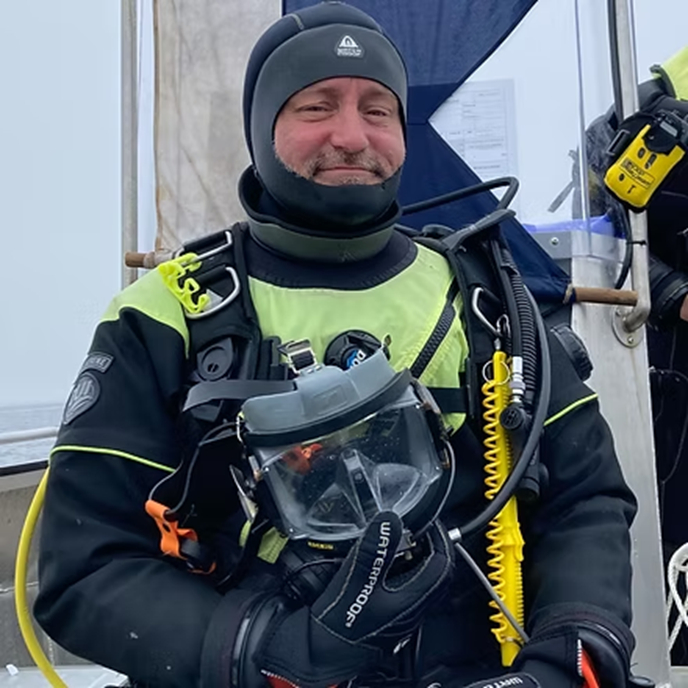
Dr. Thomas Wernberg
Laureate Professor
School of Biological Sciences & Oceans Institute, The University of Western Australia, Australia
Principal Researcher
Institute of Marine Research, Floedevigen Research Station, Norway
Biography: Thomas Wernberg is a Danish-born marine ecologist and ARC Laureate Fellow, recognized for his research on kelp forests, marine climate change, and temperate reef ecosystems in Australia and world-wide (www.wernberglab.org). Wernberg works at the nexus between genomics, physiology, ecology and biogeography, where his work has transformed our understanding of how marine heatwaves impact temperate marine species and ecosystem function (www.marineheatwaves.org) and the critical socio-economic importance of kelp forests. He is particularly known for creating an identity for ‘The Great Southern Reef’, uncovering the unique kelp-dominated biodiversity hotspot along Australia’s south coast, and for documenting the wide-spread ecological impacts of the 2010–2011 marine heatwave in Western Australia. Wernberg has published nearly 300 research papers and book chapters, and he is a highly-cited researcher in Ecology & Environment as well as Geoscience.
Lecture Title: Impacts of Marine Heatwaves on kelp, kelp forests and their ecosystem services
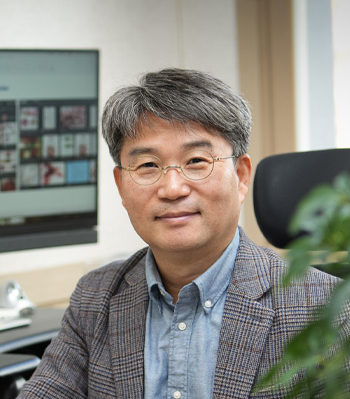
Dr. Hwan Su Yoon
Professor
Department of Biological Sciences, Sungkyunkwan University, Korea
Biography: Yoon’s research focuses on eukaryotic biodiversity, phylogeny, and genome evolution. His work centers on the genome evolution of red algae and their plastid-bearing descendants — including cryptophytes, haptophytes, stramenopiles, and dinoflagellates — as well as the photosynthetic amoeba Paulinella as a model system for studying primary endosymbiosis. Yoon has published over 170 peer-reviewed papers and book chapters in leading journals including Cell, Science, Nature Communications, Nature Ecology & Evolution, Current Biology, and MBE. He proposed the seven-class red algal classification system and established molecular clock-based divergence time estimates for red algae, brown algae, and other eukaryotic lineages. He has led genome sequencing projects for key organisms including Undaria pinnatifida, Gracilariopsis chorda, and Porphyridium purpureum. Yoon has pioneered the application of single-cell genomics to individual protist cells to illuminate trophic networks in marine ecosystems. His research on the molecular timeline for the origin of photosynthetic eukaryotes has been widely cited (>1000 times) and featured in the MBE Golden Citation Classics list.
Lecture Title: The evolution of multicellular stramenopiles. (tentative)
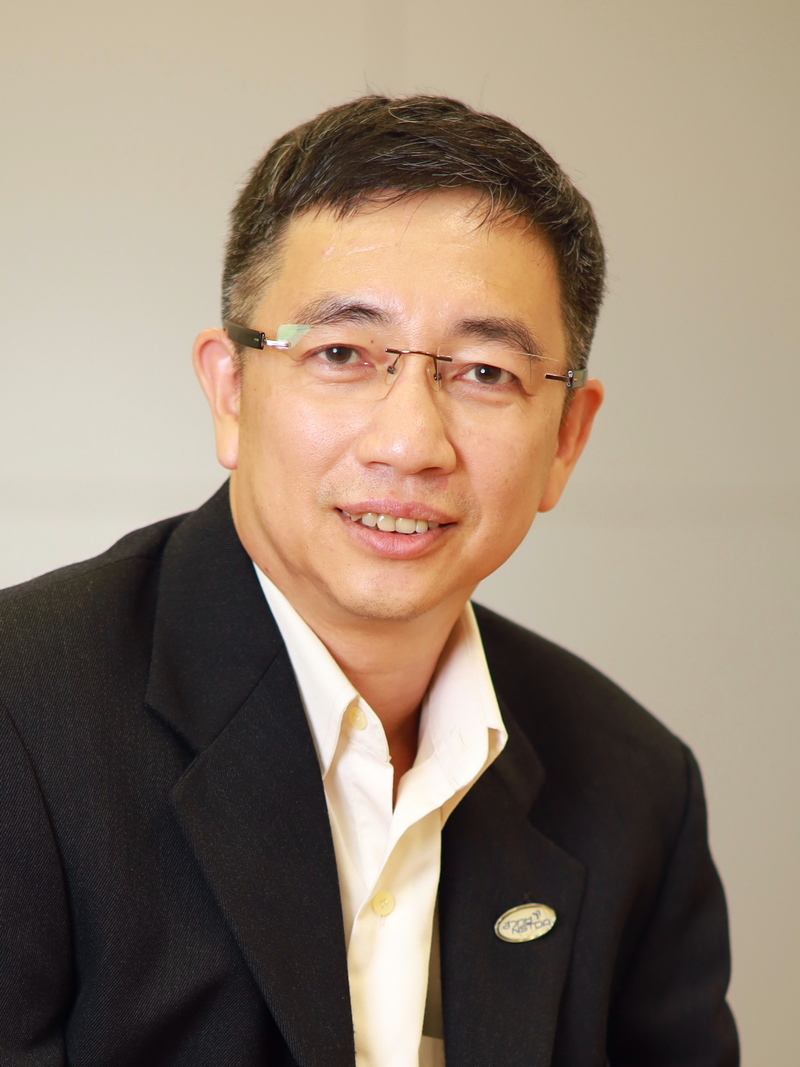
Dr. Sorawit Powtongsook
Principal Researcher
National Center for Genetic Engineering and Biotechnology (BIOTEC), Thailand
Biography: Dr. Sorawit Powtongsook is a principal researcher in the Integrative Aquaculture Biotechnology Research Group at Thailand’s National Center for Genetic Engineering and Biotechnology (BIOTEC), part of the National Science and Technology Development Agency (NSTDA). He holds a bachelor’s degree in Aquatic Science, a master’s degree in Marine Science, and a Ph.D. in Molecular Biology and Biotechnology. His expertise spans algal biotechnology, aquatic environments, and aquaculture.
Dr. Sorawit has been active in microalgae and seaweed cultivation for more than 35 years and has published over 80 articles in scientific journals. He has extensive experience cultivating algae in photobioreactors and outdoor ponds, working with microalgal species such as Dunaliella, Haematococcus, Chaetoceros, Thalassiosira, and Amphora, as well as macroalgal species such as Caulerpa and Ulva. His current research focuses on applying algae to support sustainable aquaculture.
Lecture Title: Applications of Algae Cultivation toward Sustainable Development.
Description: This presentation covers both microalgae and macroalgae cultivation, along with their applications in aquaculture and other industries. (tentative)